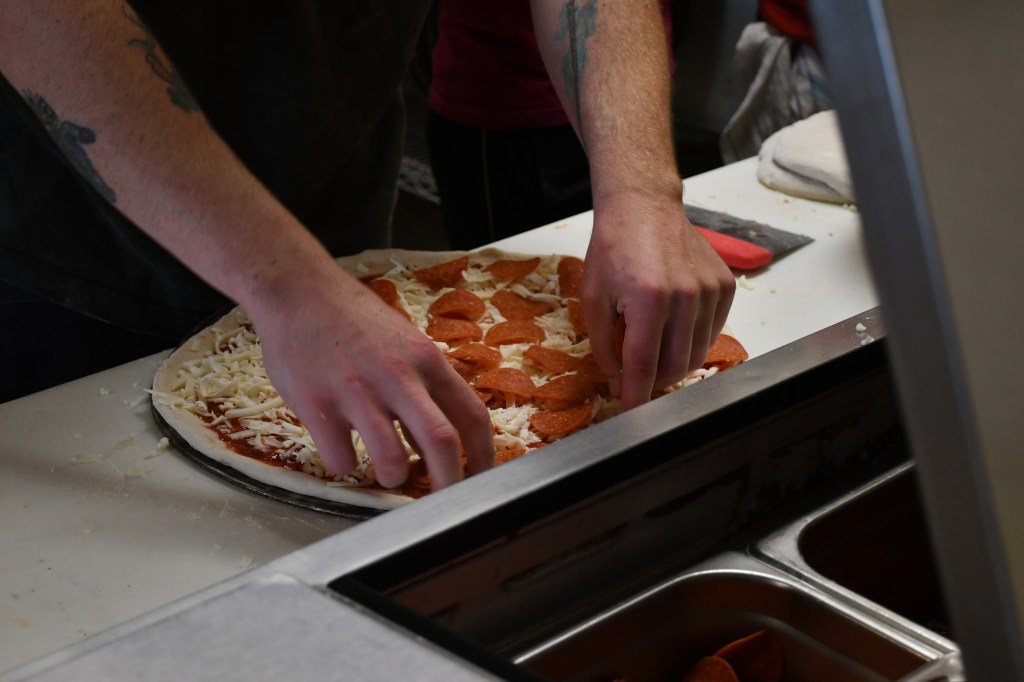
Gavin Sayers is more than just a pizza maker, he’s someone who has found comfort in the rhythm of his work. Balancing the pressures of daily life with anxiety, he turns to movies, music, and family for support. In the heat of the kitchen, he has discovered focus, routine, and a place where he feels at ease. This is his story of resilience, passion, and the little things that make a difference.
Kneading Dough, Navigating Anxiety: Gavin Sayers’ Story
For Gavin, pizza making is more than just a job, it’s a passion he cultivated for over a decade. What started as a high school job quickly turnd into a craft he loves and has invested in, from perfecting dough to experimenting with new recipes. “It’s rewarding work, especially when customers appreciate what you do,” Gavin says. The fast-paced environment of a pizza shop might seem stressful to some, but for him, it provides a sense of structure and purpose.
Beyond The Kitchen
When not in the kitchen, Gavin has had to navigate the challenges of anxiety. “Anxiety has been a constant challenge, but I’ve learned to manage it over the years,” he shares. “There are days when it’s tough to stay focused at work, but having a routine helps.” That routine, kneading dough, prepping ingredients, and keeping orders flowing, provides a sense of stability. But when the stress builds, Gavin turns to his biggest source of relief: family, movies, and music.
Photo by Ben Pfingstler.
Gavin’s son, Kai, crawls around Gavin’s pizza shop, Scotto’s Pizzeria.
Photo by Ben Pfingstler
Gavin’s Escape
“Movies and music are my escape,” Gavin explains. “After a stressful day, watching a good show or listening to music helps me unwind. It’s like resetting my mind. Certain movies even inspire me or make me laugh, which is great for relieving stress.” Whether it’s a favorite TV series or playlist of familiar songs, these small moments help him manage the pressures of daily life.
“Managing” Pressure
As a manager, Gavin has grown in ways he didn’t expect. Leading a team has taught him patience, better communication, and the importance of setting an example. “Managing others has made me realize how important it is to stay calm under pressure. If I’m stressed, my team feels it too,” he says. Learning to balance his own challenges while guiding others has been a valuable experience, shaping him both professionally and personally.
Gavin and his dad Shawn work on setting up equipment inside Scotto’s Pizzeria’s new location in DuBois, PA as they prepare for the reopening.
Photo by Ben Pfingstler
Finding Balance in Work and Life
For those in high-pressure jobs dealing with anxiety, Gavin offers simple but meaningful advice: “Find what works for you, whether it’s music, exercise, or spending time with loved ones. And don’t be afraid to talk about it. People are more understanding than you think.” Gavin’s journey is a reminder that work and well-being can coexist, and that even in the chaos of a busy kitchen, there’s room for finding balance.
The Nosferatu Viewing Experiment
Photograph courtesy Focus Features.
Does where you watch change what you feel?
How much does where you watch a movie affect the experience? This experiment compares a theatrical and at-home viewing of Nosferatu to see how factors like atmosphere, distractions, and sound shape our perception of a film.
What did it cost? This experiment cost $32.48 in total: $12.49 for the theater ticket and $19.99 for the streaming rental. The at-home streaming price is a bit steep, but it is understandable as that seems to be the base price for new movies.
Preparation & Setup I researched the benefits of different viewing environments and how they affect mood and stress. I also learned some basics about creating a distraction-free setup for streaming at home. To prepare for the theater viewing, I chose a local cinema with comfortable seating and convenient showtimes. For the streaming experience, I adjusted my living room to replicate a theater-like atmosphere by dimming the lights, turning off my phone, and setting up a cozy blanket. I also bought some popcorn and a slushie to keep the snacks consistent for both viewings.
What other people did it involve? While this was primarily a solo experiment, I had my girlfriend watch the film with me at home. This helped me compare how a shared experience versus a solo theater visit affected my mood.
What risks did it involve? The risks were minimal. The biggest concern was avoiding distractions during the streaming session, like phone notifications or background noise, which could skew the results. Turning my phone off was the obvious solution, but I’d be lying if I said I didn’t grab it a few times out of habit.
Theater vs. Home: A Breakdown
Pre-Film Observations: Before watching Nosferatu in the theater, I felt a sense of excitement, knowing it would be a shared experience. Horror movies, in particular, thrive in a communal setting, where you can feel the collective dread, hear the gasps of others, and find a sense of security in the crowd. In contrast, watching horror films alone can be a more isolating and intense experience. Thoughts like, “Is someone in my house?” can creep in, making the atmosphere feel more personal but also more frightening. Time of day, mood, and energy levels also influenced the experience. Nosferatu’s grim and atmospheric nature makes it an ideal film to watch at night. The dark, gothic tone demands full attention and energy, as it’s a long tale that requires commitment to fully appreciate the depth of the story.
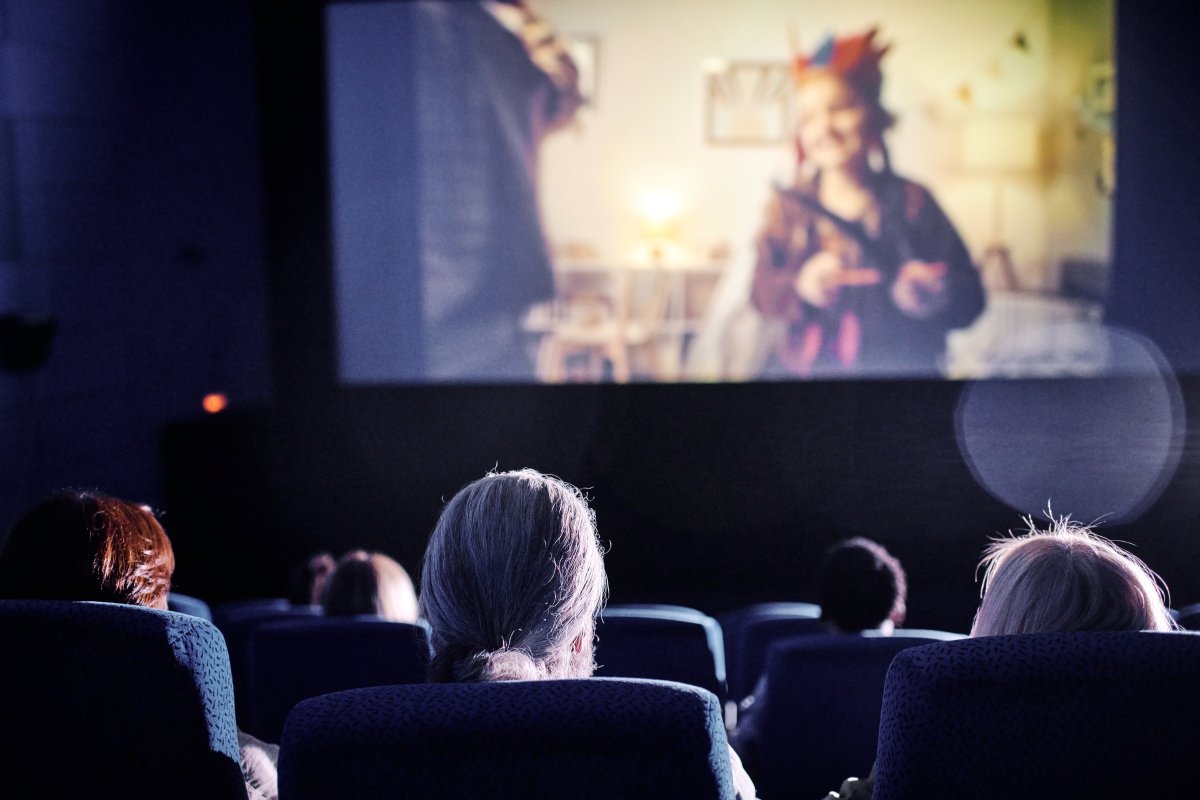
During The Film: The differences in sound and visuals between the theater and home were stark. The surround sound in the theater amplified the film’s atmosphere, and hearing the audience’s collective reactions heightened the experience for me. The big screen also made the visuals far more immersive compared to my TV setup, which added to the film’s overall impact. While the quality of the home setup wasn’t bad, it couldn’t match the scale and atmosphere of the theater. Distractions weren’t an issue for me in either setting, as I turn off my phone while watching films. However, the theater’s dedicated environment naturally minimizes interruptions, while watching at home still requires some effort to create a distraction-free atmosphere.
Post-Film Reflections: Immediately after the theater viewing, I felt a strong sense of dread and sorrow, largely due to the emotional weight of the ending. Watching the film at home for a second time offered a slightly different experience. While the initial emotions of shock and surprise were less prominent, I appreciated the opportunity to pause and rewind scenes when needed. Using subtitles at home also helped with understanding the film’s dialect, which was a challenge during the theater screening for me.
Conclusion: Ultimately, both viewing environments offered unique advantages. The theater’s sound, visuals, and communal experience made Nosferatu feel more immersive and impactful. On the other hand, watching at home provided greater flexibility and clarity, allowing me to focus on details I missed the first time. This comparison highlights how a film’s environment can significantly influence its emotional and immersive qualities, particularly for a moody, gothic tale like Nosferatu.
Profile Story: A Nurse’s New Chapter – Coping with Change Through Entertainment
From Small-Town PA to New Beginnings: Sunni Carr’s Journey as a Postpartum Nurse
Moving away from home and to a new state is not always about a simple change in scenery. For Sunni Carr, it was the first real step forward toward a future she has envisioned. Growing up in DuBois, Pennsylvania, a rural city in the northwestern part of the state, Sunni never expected a global pandemic to be the inspiration she needed to pursue a career in nursing.
“I was supposed to move away to college in 2020, but then the COVID-19 pandemic happened,” Sunni recalls. “After being locked down for so many months, I really wanted to travel, and I also saw how important nurses were during the pandemic, so I decided to pursue a career in nursing with hopes of becoming a travel nurse.”
Sunni’s journey into nursing has been shaped by personal ambition and an appreciation for and understanding of the importance of healthcare professionals. Watching nurses work tirelessly during the worst parts of the pandemic hit home, proving to her the profession’s impact on the world and the kind of impact she could have.
The path to becoming a nurse does not come without its hardships. Sunni’s adjustment was unprecedented, as was every student’s who entered the field during the pandemic. Adjusting to a constantly shifting learning environment is a challenge that no student should have to face, but unfortunately, that was a reality during the COVID-19 pandemic. It was either adapt or fail. With hospitals being understaffed, clinical experiences were always unpredictable and challenging. These challenges portrayed the intensity of the field from the beginning. Sunni pushed through, though, determined to build a career that would provide her with the opportunity she has always dreamed of fulfilling: traveling the country.
Taking the Leap: Moving to South Jersey
The goal of fulfilling her travel dreams ultimately led her to South New Jersey. In order to become a travel nurse, Sunni has to obtain a “compact nursing license,” which allows nurses to work in multiple states without having to receive additional certification. Unfortunately, Pennsylvania is not a compact state, but they’re in the process of becoming one. New Jersey, however, has been a compact nursing state since 2021.
With friends and family nearby, it seemed like the perfect place to start, offering a balance between familiarity and new opportunities.
“The move wasn’t easy,” Sunni admits. “Being away from family and being surrounded by people I don’t know has been the biggest adjustment. The population density is also a big change. There are a lot more people here compared to rural Pennsylvania.”
Moving from a small town, where everyone knows everyone, to a more populated area brought with it an entirely different way of life. The quiet, desolate streets of DuBois had been replaced with the constant motion of South Jersey with busier roads, crowded stores, and an overall faster pace.
Rather than letting the transition overwhelm her, Sunni found ways to stay connected to home while making her new space feel familiar. “I try to find fun things to look forward to and incorporate pieces of home into my new setting,” she says. Whether it’s keeping in touch with loved ones, finding small comforts that remind her of DuBois, or creating new routines that make South Jersey feel like home, she’s learning to navigate the change.
Finding Purpose in Postpartum Nursing
While Sunni initially worked in both labor and delivery and postpartum care, she eventually decided to specialize in the latter. “I really enjoyed labor and delivery, but it was a lot more stressful,” she explains. “I decided if I wanted to be a travel nurse, I’d feel a lot more comfortable specializing in postpartum exclusively.”
Postpartum nursing focuses on the care of mothers and newborns in the critical hours and days after birth. It’s a time filled with joy but also uncertainty, as new parents adjust to caring for their baby while recovering themselves. For Sunni, helping mothers feel confident and comfortable in those first moments is one of the most rewarding parts of her job.
“I love making sure new moms feel as comfortable as possible, mentally and physically, while teaching them how to care for their new baby,” she says. “It’s such a vulnerable time, and I want to be someone they can lean on.”
Through her work as a nurse, Sunni has seen the range of emotions that come with childbirth. The excitement, anxiety, and even the unexpected complications that arise. Postpartum nursing is a job that requires both medical expertise and emotional support. Guiding parents through their first few days with their newborns is imperative work.
Her work has also given her a deeper appreciation for how far maternal healthcare has come. The TV series “Call the Midwife” has specifically influenced her perspective. “It’s a drama series about midwives in the 1950s, and it highlights how much nursing care has changed over time,” she says. From outdated practices to the advancements in modern medicine, the show serves as a reminder to Sunni of the progress that has been and continues to be made in patient care. Advancements continue to be made, and their importance in the field cannot be understated.
Finding Comfort in Stories
Outside the hospital, Sunni uses entertainment to escape the pressures of nursing. The intensity of the job calls for downtime, and TV shows and movies are her escape.
“It helps take my mind off of the challenges and stress of work,” she says.
A particular series is her comfort show, Gilmore Girls. “I fall asleep to it every night,” she admits. It has familiar characters, a small town feel and lighthearted humor that helps her unwind after a long shift.
Besides entertainment, Sunni thinks films and shows can change perceptions of the world. Her favorites include How to Train Your Dragon, which stresses bravery and perseverance.
“Any good movie can change your perception of the world, even ‘kid’ movies,” she says. How to Train Your Dragon “teaches kids early to fight for what you believe in,” Sunni says. Either a fictional character going into the unknown or a real-life story of overcoming hardship, she draws from stories that reflect her own journey.
Looking Ahead
Moving away from home and starting a new job aren’t stopping Sunni from dreaming of becoming a travel nurse. South Jersey is only the beginning, and she is planning to make the most out of it.
“I think change is going to be uncomfortable at first, but finding little things that comfort you makes all the difference,” she says. As she builds her career, she knows every challenge, and experience brings her closer to the life she has always imagined for herself.
Sunni says nursing is a calling. With each mother she helps, each lesson she learns, and each shift she works, she remembers why she chose this path in the first place.
The Rise of Streaming and the Decline of Theaters
Introduction
The way movie lovers have experienced film has changed drastically over the past decade. Streaming services like Netflix, Disney+, and HBO Max have made it easier than ever to watch films from the convenience of one’s own home. Traditional theaters have been unable to keep up, plagued by decreased ticket sales and ever-changing viewer habits.
This shift raises essential questions about the future of movie theaters. While some viewers still appreciate the immersive nature of watching a movie on the big screen, others now opt for the value and convenience of streaming. The movie industry is in the middle, navigating theatrical releases alongside digital distribution. As trends continue, the future of movie-going remains questionable.
Box Office Woes in the Streaming Age
It comes as no surprise that streaming has impacted the box office in a notable way. According to Box Office Pro, in 2019, movie theaters in the United States and Canada brought in $11.4 billion in revenue. However, when the COVID-19 pandemic hit, that number dropped to just $2.1 billion in 2020. Even when theaters opened again, the recovery was slow. In 2024, box office revenues remained 34% under pre-pandemic levels.
One considerable reason for this decline is the emergence of same-day streaming premieres. Warner Bros. and other studios experimented with debuting films in cinemas and on streaming platforms simultaneously. While this created more options for consumers, it also reduced the necessity of watching films theatrically. Since Wonder Woman 1984 and Dune: Part One debuted on HBO Max alongside their cinema debuts, it was clear that the traditional box office model was evolving.
That said, certain films can still draw massive theater crowds. Blockbuster films like Avatar: The Way of Water and Top Gun: Maverick proved that audiences would return to the cinemas if the proper film came out. Upcoming 2025 releases like Mission: Impossible – Dead Reckoning Part Two, a new Superman film, and Avatar: Fire and Ash should aid in giving the box office a kickstart it desperately needs.
Why People Are Choosing Streaming
One of the most substantial reasons for the shift to streaming is convenience. Many prefer viewing new movies at home rather than spending money on tickets and snacks. Viewing new movies at home has been easy, especially with high-definition televisions, surround sound, and on-demand mode.
Cost is a factor. A typical movie ticket costs between $10 and $15, and concessions are not even included yet. Streaming, however, provides a month’s worth of content for the price of a single trip to the theater. Families particularly like streaming as the cheaper option.
Despite all these trends, some people love the theatre experience. A jampacked theater suits horror movies, comedies, and action films. Studios know this, and that is why directors like Christopher Nolan still encourage theatrical exclusives. When Nolan’s film Oppenheimer was released in cinemas in 2023, he created an uproar around it being screened in IMAX cinemas, emphasizing the importance of the big-screen format.
How Studios Are Adapting
Studies have adjusted their release schedules to keep up with changing trends. Some are doubling down on cinema, and some are all-in on streaming.
Perhaps the most notable transformation has been the hybrid release pattern, where movies debut in cinemas and on platforms. That plan was used profusely during 2021 and 2022 but has now been revised. Warner Bros. and Disney, for example, have recently started emphasizing exclusive theatrical windows again after they learned that day-and-date streaming releases were hurting long-term earnings.
Netflix has released high-profile movies that go around movie theaters entirely. It was fiercely contested among the fans when they discovered that Happy Gilmore 2 would only come out on Netflix since the fans believed that the comedy film needed a wide-screen release. The same problem occurred when Apple TV+ released Killers of the Flower Moon to theaters on a limited theatrical run before it became available to stream.
Can Theaters Survive?
To stay competitive, theaters have been experimenting with new ways of attracting consumers. Some have spent money on premium formats like IMAX and Dolby Cinema, featuring larger screens, better sound, and wider seats. Others have introduced subscription models like AMC A-List and Regal Unlimited, which allow cinemagoers to watch several movies for a sum of money paid monthly.
Other cinemas are additionally programming special screenings, such as preview screenings, classic film nights, and even live screenings of specific sports action. These screenings are meant to provide extra incentives for individuals to visit other cinemas rather than new movies.
But there will still be problems in the future. Ticket sales remain far from pre-pandemic levels, and streaming still dominates the industry. Cinemas aren’t going to disappear entirely, but they may need to change even more to be a viable part of the entertainment industry.
Conclusion
The birth of streaming has changed the way people view films, and the movie industry has had to adapt. While cinemas offer a better movie-going experience, streaming provides viewers the affordability and convenience most consumers desire. The hybrid model, where cinemas and streaming coexist, may be the best way to ensure both survive.
Theaters must keep innovating, offering high-end experiences that can’t be replicated at home. Studios must balance the desire to maximize profit with maintaining the theatrical experience. Whether or not theaters can ever truly recover is unknown, but this much is true: film consumption will never be the same.
Would you rather see new movies on the big screen or stream them?
The Legacy of Mister Rogers
A Neighborhood That Still Remembers
Walking through Pittsburgh’s North Side, there are countless reminders of Fred Rogers. There’s a mural of his famous red cardigan and compassionate smile greeting people at the Children’s Museum of Pittsburgh and a statue of him along the riverfront, gazing out over the city he loved. Decades after Mister Rogers’ Neighborhood went off the air, his legacy continues to permeate the city’s culture and classrooms.
Keeping the Legacy Alive
At the Fred Rogers Institute, educators and researchers still make his philosophy current by supporting programs encouraging child development, emotional intelligence, and kindness. One such program is the Educators’ Neighborhood, which began in 2019 as a collaboration between Melissa Butler, Sally Rushford, and a group of kindergarten teachers at Pittsburgh Public Schools. They brought Fred Rogers’ work into the children in their classrooms, demonstrating the continued relevance of his concepts.
Beyond the Institute, his impact reaches western Pennsylvania classrooms. Jennifer Toney, for instance, a third-grade teacher at Sharpsville Area Elementary School, played a key role in launching frED Camp. This professional development experience brings pre-service teachers into the Mister Rogers’ Neighborhood philosophy.
A Lasting Impact on the City
Pittsburghers also wonder how Rogers affected their lives. At a local coffee shop, I met Cheryl, a lifelong fan of Mr. Rogers who grew up watching the show. “He made every kid feel special,” she said. “In a world that’s gotten a little colder, I think we need more of what he taught.”
His legacy extends beyond nostalgia. His work is in museums, public initiatives inspire kindness, and his words still educate educators. Fred Rogers may no longer be with us, but the values he taught—kindness, compassion, and being a good neighbor—still influence Pittsburgh’s heart and the region’s culture.
For those interested in hearing more from educators who are part of Educators’ Neighborhood, the Fred Rogers Institute hosted a virtual community event on May 13th. During the session, participants viewed clips from Mister Rogers’ Neighborhood, listened to educators discuss how the episodes relate to their students and families, and had the opportunity to ask questions.
Fred Rogers’ commitment to children’s emotional lives inspires parents and educators today. His practice was attuned to noticing and managing feelings, building empathy, and forming caring and safe communities. Navigating the complexities of modern living can be challenging, but the timeless lessons of Mister Rogers’ Neighborhood should be viewed as a guiding light, reminding us of the importance of compassion and connection in daily life.
References:
Educators’ neighborhood. Fred Rogers Center. (n.d.). https://www.fredrogersinstitute.org/educators-neighborhood
Long, S. (2025, March 28). “mister Rogers” neighborhood’ still actively inspires educators decades after it ended. Gazette. https://www.post-gazette.com/ae/tv-radio/2025/03/24/mister-rogers-neighborhood-camp-fred-when-you-wonder/stories/202503180053Staff, K. (2024, May 24). What mister Rogers can teach us about teaching . Kappan Online. https://kappanonline.org/what-mister-rogers-can-teach-us-about-teaching-vogt-monroe/
Photo courtesy People.com
The Greatest Sports Movies of All Time — And Why We Love Them
Sports films connect with us. They engage our emotions, energy, and drama, making live games electrifying. Whether based on truth or totally make-believe, the greatest sporting movies can linger in our minds. Here’s a peek at some favorites of all time—and why they linger with us.
1. Remember the Titans (2000)
Why It Hits: It’s not football — it’s unity and real change.
What It’s About: Loosely based on a true story, it’s set in 1970s Virginia and follows Coach Herman Boone as he leads an integrated high school football team through discord and triumph.
Why It Works: It deals with issues like racism and leadership but still makes a great sports movie. Denzel Washington’s acting and the team’s camaraderie make it emotional and strong.
2. Rocky (1976)
Why It Hits: The classic underdog story.
What It’s About: Rocky Balboa, a small-time boxer, is offered an opportunity at the heavyweight championship. It’s not about winning but proving that he can be in the ring.
Why It Works: Grit, heart, and Philly pride, Rocky is about pushing your limits. It’s brutal and honest, and the training montage alone is iconic.
3. The Sandlot (1993)
Why It Hits: Nostalgia, friendship, and summer baseball vibes.
What It’s About: A kid moves to a new town and finds friendship (and a lot of trouble) with a local team of baseball players.
Why It Works: It’s not winning, honestly — it’s growing up, facing fear, and having fun. It’s funny, entertaining, and still quoted endlessly.
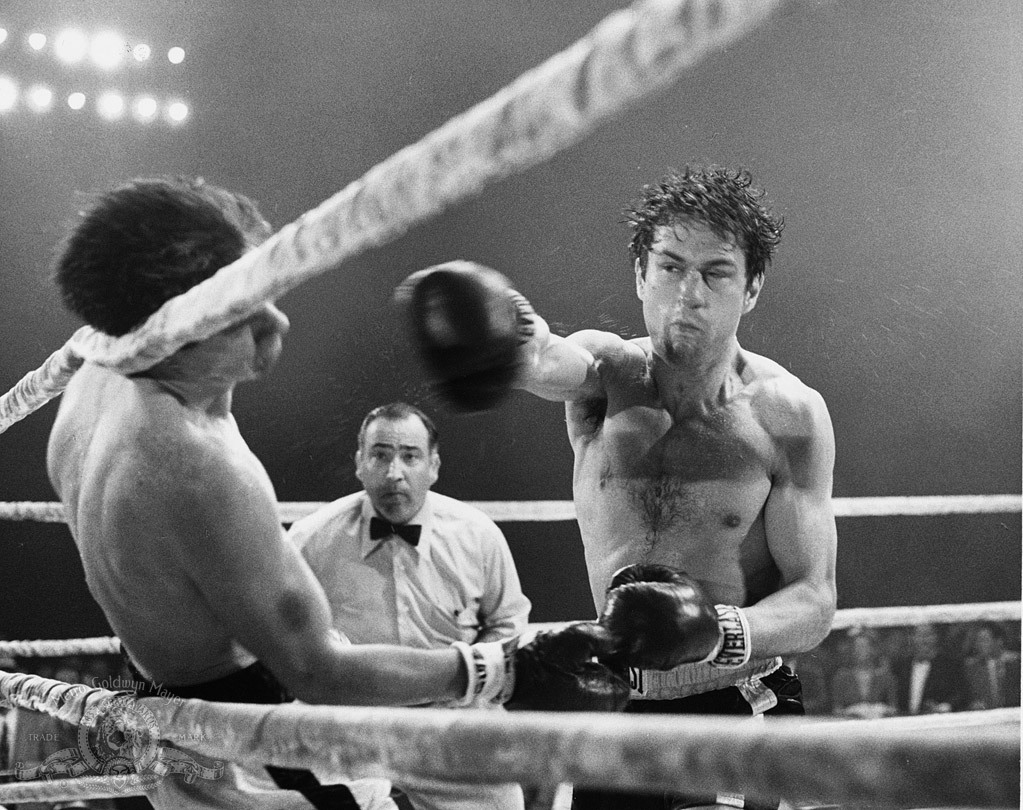
4. Raging Bull (1980)
Why It Hits: A brutally gorgeous portrait of a tortured athlete.
What It’s About: Boxer Jake LaMotta fights in and out of the ring — with his enemies, achievements, and himself.
Why It Works: Robert De Niro gives a powerhouse performance, and Scorsese’s black-and-white cinematography lends gravitas. It’s not a warmhearted story, but it’s unforgettable.
5. The Mighty Ducks (1992)
Why It Hits: A feisty, mismatched team for which we can all root.
What It’s About: Lawyer Gordon Bombay is bullied into coaching many misfit kids on a youth hockey team and winds up learning (and imparting) more than he signed on for.
Why It Works: Endearing, amusing, and second chances are always a winning scenario. And, as luck would have it, the Ducks became an actual NHL team — that’s cool, by the way.
6. Moneyball (2011)
Why It Hits: Sports + brains = winning formula.
What It’s About: Billy Beane, the Oakland A’s general manager, uses statistics and intelligence instead of cash to create a powerful baseball team.
Why It Works: It’s not a sports movie in the classical sense — it’s brain over muscle. Brad Pitt and Jonah Hill are high-strung in a film that turns baseball statistics into high-drama.
7. Field of Dreams (1989)
Why It Hits: Magic, memories, and a lot of heart.
What It’s About: A farmer overhears a voice telling him to build a baseball diamond — and finds himself reconnecting with the past personally.
Why It Works: It’s about baseball, sure, but also about family, remorse, and belief in something beyond. That “If you build it.” refrain still gives people the heebie-jeebies.
Final Thoughts
Sports films aren’t about the games; they’re about individuals. They reveal grit, growth, and the emotions behind each epic win (or devastating loss). So, what’s your go-to? Cast a vote below and cue up a rewatch; these tales will never lose their luster!
Vote for Your Favorite: Rank your top sports movie!
Watch Clips: Check out key scenes or trailers.
Improving Mental Well-being Through Hobbies: A Window to Happiness
With the hustle and bustle of today’s world, mental well-being is easily overlooked. With school, work, and life generally, getting caught up is easy. However, there is one simple and efficient way of improving your mental well-being: hobbies. Whether painting, hiking, or learning a new skill, hobbies offer a healthy distraction from stress, and studies show they can play an enormously positive role in mental health. Taking the time to do something solely for you to do things that you enjoy can be one of the best decisions you make for your mental and emotional health.
The Relationship Between Hobbies and Mental Health
Hobbies are not merely pleasant diversions. They can also have a beneficial effect on mental health by providing you with a way of managing stress and anxiety. As you engage in a hobby, your mind focuses on something other than your daily worries. This kind of mental diversion can reduce the adverse effects of chronic stress, which is linked to depression and anxiety. When we focus on something we enjoy, it enables our brain to take a break and recharge.
Research suggests that hobbies help release dopamine, a neurotransmitter responsible for feelings of pleasure and reward. This surge in dopamine can enhance mood and lower stress levels. Additionally, hobbies can promote a sense of accomplishment and purpose, which boosts self-esteem and overall mental well-being. Creating, producing, or simply engaging in something you’re passionate about fosters a sense of achievement and self-worth.
There’s also a beneficial social element to hobbies. Most hobbies require some degree of interaction with other individuals, which can be an excellent remedy for feelings of isolation. Isolation is a substantial contributor to mental illness, and hobbies that unite us with other individuals, either through group activities or universal passions, can offer support and a sense of belonging. Social hobbies can create a positive feedback loop; the more you’re around others, the more you feel satisfied.
Types of Hobbies That Enhance Mental Health
Different hobbies have different mental health benefits; the best part about hobbies is that there is something for everyone. The following are some categories of hobbies that are known to enhance mental health:
Physical Activities: Hobbies like yoga, hiking, or biking can help manage stress by releasing endorphins, the body’s natural stress eliminator. Exercise improves the quality of sleep and can lessen anxiety and depression levels. Experiments repeatedly show that even modest amounts of exercise—a brisk walk or yoga class, say—can improve mood, reduce stress levels, and boost overall well-being. Whether as intense as running or as low-key as tai chi, exercise can work wonders for both mind and body.
Creative Outlets: Engaging in creative activities such as painting, writing, or playing an instrument can help individuals process emotions and reduce stress. These hobbies provide an emotional release and a way to express what might be difficult to put into words. Creativity fosters a sense of flow, a mental state where you’re fully immersed in the task. During this state, you lose the sense of time and enjoy high enjoyment from your task, directly influencing a positive emotional state. For those who like to be alone, knitting or photography are hobbies that provide an outlet for self-expression and creativity. Both also allow individuals to slow down, be meticulous, and enjoy the process, all reducing anxiety. For example, photography slows individuals down and enables them to relish the moment, reducing stress.
Mindful Hobbies: Meditation, gardening, or even knitting can help you stay in the moment and grounded. They reduce stress and increase mindfulness, which reduces anxiety and improves emotional stability. Mindfulness activities encourage living in the present and appreciating what is around you, which combats the negative thought processes that can trigger mental illness. Gardening, for instance, allows people to become part of nature while providing a sense of accomplishment and growth. Mindful pursuits also enhance brain health by increasing concentration and clarifying the mind. Through consistent practice, activities such as meditation or yoga regulate your nervous system and improve your emotional stability in general.
Social Hobbies: Participating in a club, volunteering, or group activities assists in developing a sense of belonging and connection that is essential for mental well-being. Such hobbies promote healthy social interactions, which decrease feelings of isolation. Social hobbies are a way to connect with others over shared interests, and many activities permit both social engagement and skill development. Whether it’s a cooking class, book club, or recreational sports league in your area, these activities provide the support networks that are so important to emotional health.
How to Make Hobbies a Part of Your Life
Finding time for them is the key to reaping mental health benefits from hobbies. Time, however, is a valuable commodity for most people, especially students attempting to balance studies and personal life. Some tips on incorporating hobbies into daily life are as follows:
Start Small: If you’re new to hobbies, start with short activities to incorporate into your daily routine. From a 15-minute walk to keeping a journal, small hobbies can positively impact your mental health. Starting small ensures you don’t feel you’re committing too much by adding something new into your life. As you begin to enjoy your hobby, you’ll naturally want to devote more time to doing it.
Schedule Time for Your Hobby: Treat your hobby as any other appointment by allocating time in your calendar, just as you would for a class or work meeting. Scheduling it this way ensures you make time for it, even during busy weeks. Booking time for a hobby provides a feeling of structure and reminds you to take time off for your own sake. Attempt scheduling 30 minutes in the evening to read or a weekend morning to go hiking. Once you schedule your hobbies, you’re more likely to follow through.
Combine Hobbies with Socializing: Most hobbies, like group exercise classes or team sports, allow you to socialize and enhance your mental health. Combining hobbies with socializing can be a great way to multitask. Whether you join an exercise group, enroll in a social art class, or volunteer for a local cause, combining hobbies with socializing allows you to reap the benefits of personal fulfillment and social connection.
Use Your Hobby as a Reward: Reward yourself by doing your hobby after completing a task or studying. This gives you something to look forward to and generates a positive routine. You can turn your hobby into a rewarding system that will motivate you to complete other tasks. For instance, after a successful study session, you can reward yourself by writing, knitting, or playing an instrument.
Don’t Be Afraid to Try New Things: If the hobby you are presently engaging in does not seem like a good hobby, do not be scared to move on and attempt something different. Often, the most enjoyable hobbies are not those you initially believed would be ideal. Doing new things lets you discover various aspects of yourself and what makes you content. A new hobby can introduce you to other individuals or even open up new passions and interests.
Conclusion
Engaging in hobbies is not just entertainment and enjoyment—it’s about improving your mental well-being. Whether you attempt an outdoor activity, take up a creative pastime, or try mindfulness, hobbies can be a great friend when managing stress and improving mood. They allow you the room to momentarily step away from your work and recharge, which is essential for healthy mental well-being. Therefore, do yourself a favor today, find a hobby you enjoy, and start experiencing the mental health benefits.
Healing Through Art: Discovering Resilience in Creative Pastimes
With the demands of life in the modern world, mental health is usually the last thing on our minds. With school, work, and other things, it is easy to forget to make time for ourselves. Yet, engaging in creative pastimes is a great way to improve mental health. Whether it’s through painting, writing, or photography, they are a fun distraction and provide valuable emotional and psychological benefits. Creative hobbies can be a powerful therapeutic tool, enabling a person to convey emotion, reduce stress, and promote overall well-being.
The Psychological Benefits of Creative Hobbies
Creative pursuits have long been known to have a therapeutic impact on mental health. They offer a mental respite from the stresses of life, allowing one to focus on something one loves. Creative pursuits have been shown to reduce anxiety, lower stress levels, and even improve mood. Creative pursuits provide a sense of mindfulness that results in emotional stability by focusing on the process and not the outcome.
While being creative, our brains focus on our actions, and we can forget about negative thoughts. Drawing or painting, for instance, can be a means of expression for individuals to convey emotions that they cannot verbalize. Writing can also be a catharsis because it allows individuals to untangle complex emotions. Photography provides the same outlet, encouraging us to slow down and appreciate the beauty of the present moment. By allowing ourselves to express our feelings and thoughts creatively, we can release built-up stress and find peace.
One of the significant psychological benefits of creative pursuits is the release of dopamine, the “feel-good” neurotransmitter. It is released when we create something, irrespective of whether the product is not perfect. The creation process, whether clicking a picture or designing a sketch, provides a sense of fulfillment and satisfaction. This sense of achievement boosts self-esteem and promotes a positive emotional state, which counters feelings of depression and anxiety.
Creative Hobbies and Stress Relief
The creative process can be an extremely effective way to relieve stress. When they are engaged in something creative, their minds are temporarily freed from the constant pressure of deadlines, tasks, and other stressors. Focusing on creative hobbies removes attention from stressors and enables the mind to relax and recharge.
Physical hobbies such as yoga, walking, or cycling can also be creative outlets. They reduce stress by releasing endorphins, the body’s natural stress reducers. Exercise of any kind, whether it’s a brisk walk or a more vigorous workout, improves mood and tension. Such activities often accompany creative hobbies, as individuals express their physical activity through art or photography.
Mindfulness and Creativity
Mindfulness, a state of staying in the here and now, is another significant benefit of engaging with creative hobbies. Most creative activities, such as gardening, painting, or knitting, push individuals to slow down and become utterly attentive to their undertaking. This mindfulness forces individuals to stay grounded and stop negative thoughts. Through creative activity, individuals get involved in the flow state, becoming absorbed in the task and forgetting anxieties.
Mindfulness practices like meditation or yoga also play a significant role in ensuring mental health. Along with creative hobbies, these work to enhance emotional stability and offer a healthy method of managing stress and anxiety. For instance, a person who engages in mindfulness daily and has creative hobbies like journaling or photography will be more capable of handling everyday stressors.
How to Incorporate Creative Hobbies Into Your Life
Finding time to engage in creative activities is central to their mental health benefits. Hobbies can be hard to find time for in a world with so much to offer regarding activities. What follows are some ideas for bringing creative hobbies into your daily life:
Start Small: If you’re new to creative hobbies, begin with small, manageable bits. Dedicate only a few minutes daily to something you enjoy, whether drawing, writing, or photography. Starting small will guarantee that creative hobbies won’t be daunting.
Use Creativity as a Reward: Another way to make time for creativity is to use it as a reward for completing other activities. After you have completed a study session, for example, you can reward yourself by spending time drawing, writing, or photographing. This enables you to create a positive association with creativity and motivates you to stay on track.
Combine Hobbies with Socializing: Most creative hobbies, such as group art classes, book clubs, or community photography projects, also offer opportunities for socializing. Combining creativity with socializing can help you form a sense of belonging, vital for mental well-being. Socializing through creative hobbies can also be a way of meeting like-minded individuals who share your interests and passions.
Conclusion
Creative hobbies are fun and crucial for maintaining good mental health. Whether through painting, writing, photography, or hiking, creative activities offer a respite from daily stress and an essential avenue for emotional expression. The benefits of creativity on mental health are numerous, from stress alleviation to improving self-esteem and promoting mindfulness. By prioritizing creativity, you can improve your emotional well-being and create space for relaxation and personal growth.
Take time today to find your creative self and start experiencing the mental health benefits. Through writing, painting, or photography, creating can be your starting point on the journey to a happier, healthier you.
CONTACT
Have any comments, questions, or concerns? Feel free to contact me at:






:max_bytes(150000):strip_icc():focal(718x272:720x274)/Fred-Rogers-022625-tout-afa84b8c8c50401e91284412afcab6c1.jpg)









 Slice of Life: Stories Behind the Counter